
From Cave Walls to the Digital Age
Picture living in a time with no photographs, no video, no automatic way to record the world at all. A person’s face, an animal’s likeness, a favorite landscape, all of it could only survive in memory, and it would fade away as the years passed.
Long before cameras existed, people were already searching for ways to make moments last. First they drew on rock walls. Then came paintings, sculptures, mosaics, engravings, portraits. Over time, humans learned to render depth, study how light behaved, and project images.
One thing was still missing: getting light itself to do the recording.
Photography was born the moment art, optics, and chemistry finally collided. But that story started thousands of years before the first click.
Table of Contents
- Before Photography, There Were Images
- When Images Left the Caves
- The Quest to Represent the World As It Really Is
- The Camera Obscura
- The Discovery of Light-Sensitive Materials
- Niépce and the First Surviving Photograph
- Daguerre and the Public Birth of Photography
- Talbot and the Invention of the Negative
- Faster Exposures Changed What Could Be Photographed
- When Photography Captured Motion
- Kodak Put the Camera in Every Family’s Hands
- Color Finally Arrived in Photography
- The 35mm Format Freed the Photographer
- Instant Photography Got a Preview of the Digital World
- Photography Leaves Film Behind and Becomes Data
- From DSLR to Mirrorless
- The Smartphone Turned Photography Into Everyday Language
- What Has Stayed the Same
Before Photography, There Were Images
Cave paintings and rock engravings rank among the oldest visual works humanity left behind. Using charcoal, minerals, natural pigments, and carved lines, prehistoric people depicted animals, human figures, hands, and symbols.
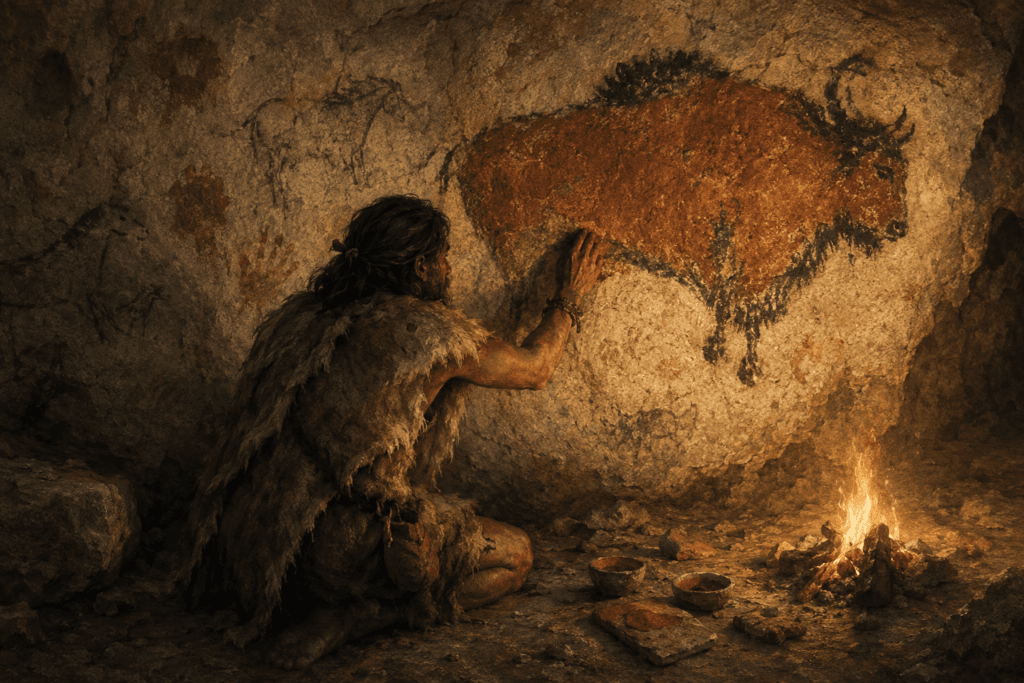
Some of these paintings, preserved in caves like Altamira in Spain, are tens of thousands of years old. We don’t know for certain why they were made. They might have passed down knowledge, represented beliefs, marked events, or expressed some symbolic bond with animals and the natural world.
These weren’t photographs, and they probably didn’t serve the same function we assign to a documentary record today. Even so, they reveal something essential: people already wanted to turn experience into images that could outlast the moment itself.
Before paper, canvas, or film existed, the walls of caves worked as massive visual surfaces. The image was already a form of communication, and a way of pushing back against being forgotten.
When Images Left the Caves
As different societies developed, images started claiming new spaces and materials.
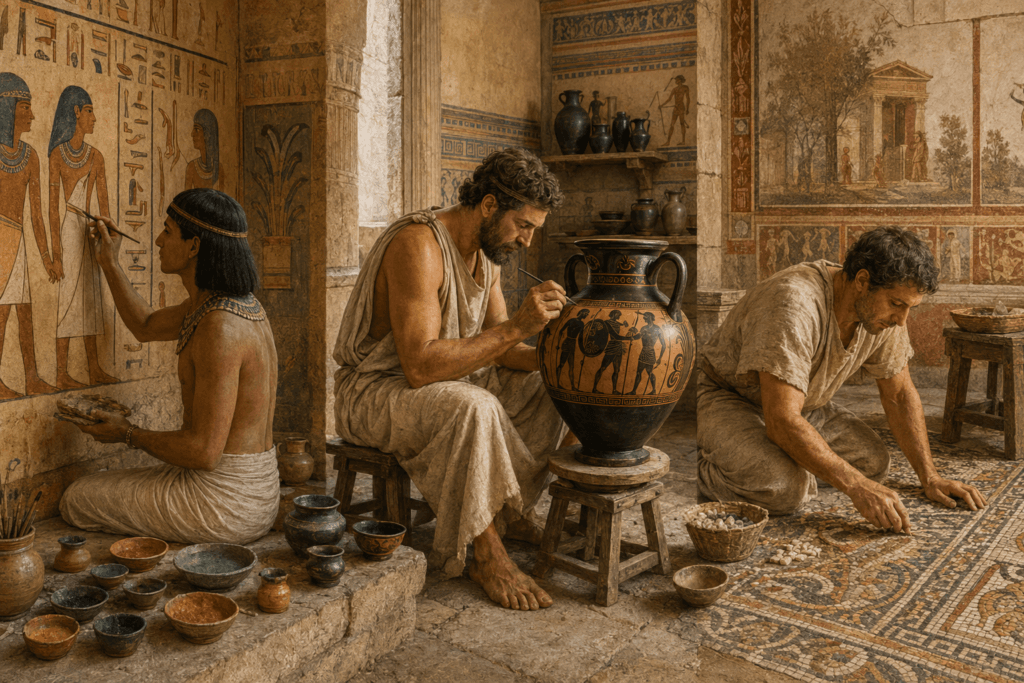
In ancient Egypt, paintings, reliefs, and inscriptions recorded ceremonies, daily life, rulers, and religious beliefs. Among the Greeks and Romans, images showed up on sculptures, vases, frescoes, and mosaics. In regions across the globe, textiles, ceramics, objects, and buildings all became surfaces for visual storytelling.
During the European Middle Ages, frescoes, stained glass, and illustrated manuscripts helped tell stories to a population that, for the most part, couldn’t read. These images weren’t just decoration, they carried values, lessons, and events.
Painting also made it possible to preserve the likeness of important people. But commissioning a portrait took time, skill, and money. And the image always passed through the artist’s interpretation. A painter could emphasize certain features, adjust proportions, or idealize the way someone looked.
Humanity could already create lasting images. The next challenge was representing the world with a greater sense of depth and realism.
The Quest to Represent the World As It Really Is
During the Renaissance, especially from the 15th century onward, European artists deepened their study of perspective, anatomy, proportion, light, and shadow.
Linear perspective made it possible to create the illusion of depth on a flat surface. Lines appeared to converge toward distant points, buildings gained volume, and figures started occupying space in a far more convincing way.
Oil paint opened up new possibilities too. Since the paint dried slowly, artists could work in fine detail, transparency, reflections, and smooth transitions between light and shadow.
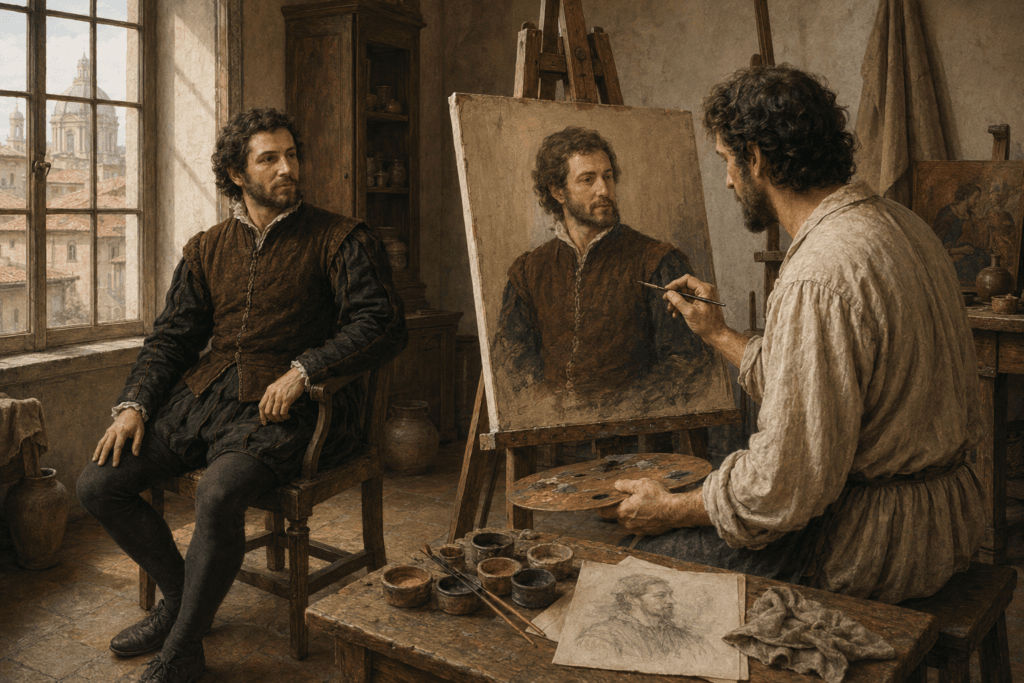
Portraits grew more lifelike. Landscapes gained depth. Light stopped being just a way to illuminate a scene and became an active part of the composition itself.
At the same time, woodcuts and metal engravings made it possible to reproduce the same image multiple times. That mattered because a painting was a one-of-a-kind object, while an engraving could circulate between cities and reach far more people.
Even with all this progress, images still depended entirely on someone’s hands. To record a scene, an artist had to observe it and rebuild it from scratch. Nature still couldn’t produce its own image on its own.
The Camera Obscura
The principle behind the camera obscura had been observed long before photography was even conceivable.
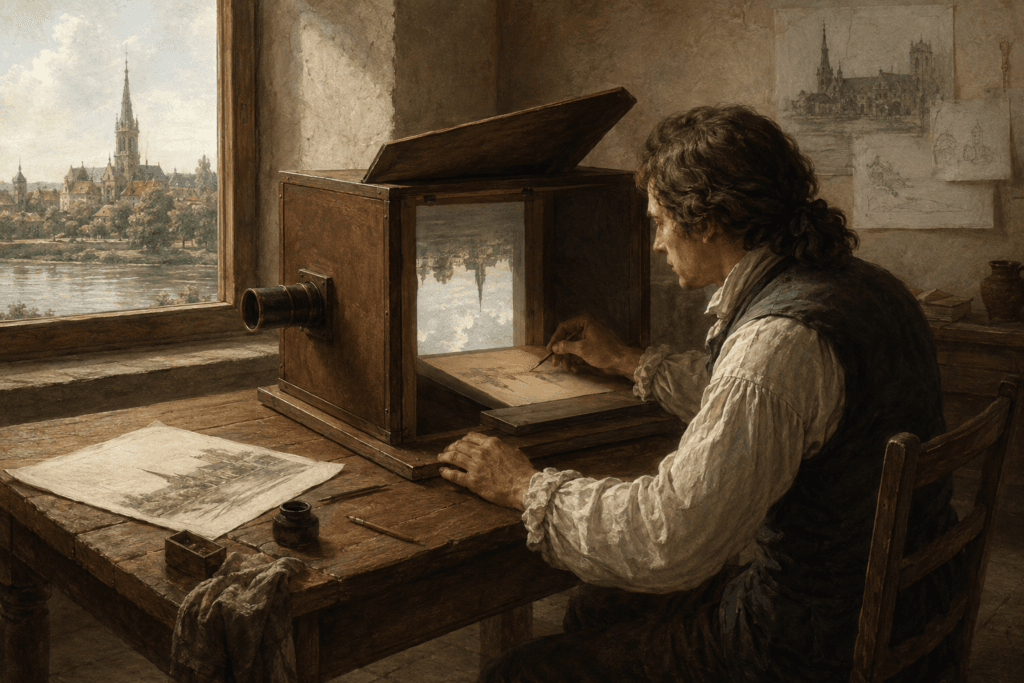
When light from a scene passes through a small opening into a dark space, it projects an upside-down image onto the surface opposite the hole. It’s as if light itself were drawing whatever sat outside.
Scholars across different eras noticed this phenomenon. Descriptions of light passing through small openings already existed in antiquity. Around the 11th century, the scholar Ibn al-Haytham carried out important experiments on optics, vision, and how light travels.
Centuries later, scientists and artists began using the camera obscura directly. At first, it could take up an entire room. Later, it shrank into smaller boxes and gained lenses capable of producing brighter, sharper images.
An artist could lay a sheet over the surface where the image was projected and use it as a reference for sketching perspective and proportion with real precision.
The camera obscura already contained the essential pieces of a modern camera: an enclosed structure, an opening, a lens, and a surface where the image formed.
But there was a problem: that image never stuck around. Close off the light, or change the scene, and it vanished.
The camera already existed. Photography still needed to be invented.
The Discovery of Light-Sensitive Materials
To preserve what the camera obscura projected, someone needed to find a material that reacted to light.
Through the 17th and 18th centuries, researchers noticed that certain silver compounds darkened when exposed to light. In 1727, the German scientist Johann Heinrich Schulze demonstrated that this reaction came from light itself, not heat.
The discovery showed that light alone could leave marks on a surface. What was still missing was a reliable way to control that reaction, and stop it once it had gone far enough.
Around 1800, Thomas Wedgwood ran experiments placing objects on surfaces treated with light-sensitive substances. The exposed areas darkened, while the parts shielded by the objects stayed light, forming silhouettes.
The images appeared, but they couldn’t be looked at for long. Exposed to light again, they just kept darkening until they disappeared entirely.
The next challenge was clear: capturing the image wasn’t enough. It had to be fixed permanently.
Niépce and the First Surviving Photograph
The Frenchman Joseph Nicéphore Niépce spent years chasing a process that could produce permanent images.
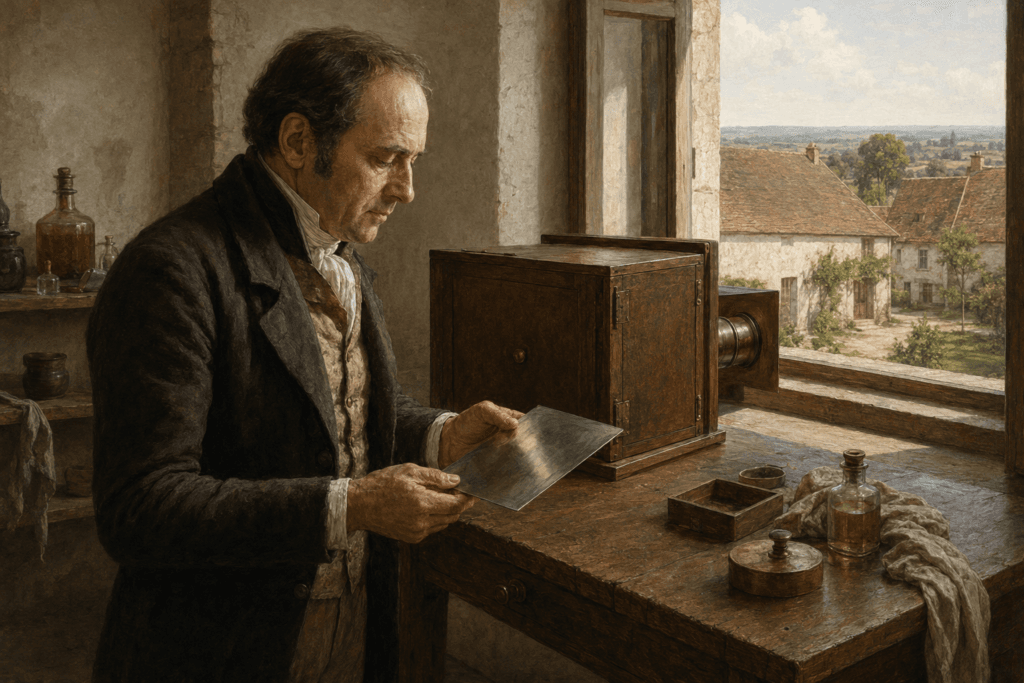
Around 1826 or 1827, he set up a camera obscura facing a window on his estate in the Burgundy region of France. Inside the device, he placed a metal plate coated in Bitumen of Judea, a substance that hardened when exposed to light.
After several hours, he removed the plate and used a solvent to wash away the parts that hadn’t hardened. The result was a blurry, but permanent, image.
Known as View from the Window at Le Gras, it shows buildings and part of the landscape visible from Niépce’s property. The lighting looks strange because, over that long exposure, the sun moved across the sky and lit different sides of the scene.
Niépce called his process heliography, meaning something close to “sun writing.”
That plate marked a genuine turning point in history. For the first time, a scene observed by a camera had been permanently preserved by the direct action of light.
The process, though, was still far too slow for photographing people or anything in motion. Niépce had proven photography was possible. It still needed to become practical.
Daguerre and the Public Birth of Photography
In 1829, Niépce entered a partnership with Louis Daguerre, a French artist and inventor interested in refining the process. Niépce died in 1833, but Daguerre kept experimenting.
The result was the daguerreotype, unveiled publicly in Paris in 1839.
The process used a silver-plated sheet of copper. Once prepared, exposed in the camera, and developed, it produced an image with astonishing detail. Viewed under the right light, the surface seemed to open a small window into the past.
The daguerreotype cut the time needed to produce a photograph dramatically. Even so, exposures could still run long. In early portraits, sitters had to stay completely still to avoid a blurred face.
There was another catch: every daguerreotype was one of a kind. With no negative involved, there was no way to produce identical copies of a photograph.
Even so, the novelty spread fast. Portrait studios opened in major cities, and people who could never have commissioned a painting gradually gained access to an image of themselves.
The year 1839 became known as the official birth of photography, not because everything was invented that year, but because a working photographic process had been made public and put within reach of society.
Talbot and the Invention of the Negative
While Daguerre worked away in France, the Englishman William Henry Fox Talbot was developing a different path toward recording images.
Talbot treated sheets of paper with light-sensitive substances. Inside the camera, the bright areas of a scene darkened the most, while the dark areas stayed lighter. The result was an image with inverted tones: the negative.
Placing that negative over another treated sheet and exposing it to light again produced a positive image. The process was refined and patented in 1841 under the name calotype.
A calotype image didn’t match the level of detail in a daguerreotype, since the texture of the paper fibers showed through. In exchange, it offered a decisive advantage: a single negative could produce multiple copies.
That negative-to-positive logic would become the foundation of film photography for more than a century.
So there’s no single inventor of photography. Niépce managed to produce a permanent image; Daguerre built a detailed, popular process; Talbot developed a system that let the same photograph be reproduced.
Photography was born from the sum of these discoveries.
Faster Exposures Changed What Could Be Photographed
In photography’s early years, the medium favored anything that could hold still: buildings, landscapes, objects, and carefully posed people.
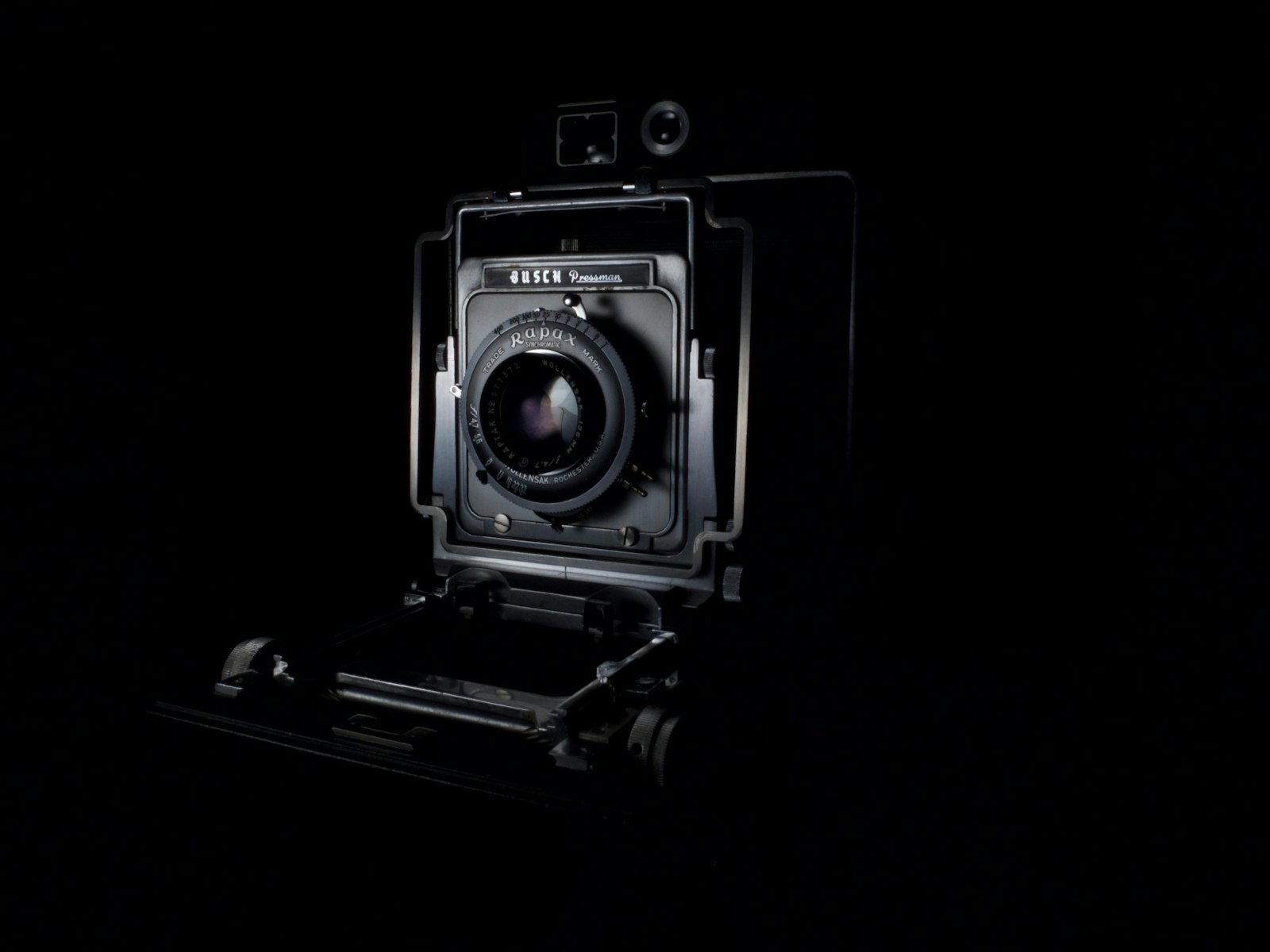
That started changing in 1851, when Frederick Scott Archer introduced the wet collodion process. It used a glass plate that had to be prepared, exposed, and developed before it dried.
The method was demanding. Traveling photographers had to haul chemicals, glass plates, and even makeshift darkrooms with them. In return, collodion produced sharp, detailed negatives and cut exposure times considerably.
Photography moved out of the studio and started following expeditions, documenting cities, recording conflicts, and showing distant places to people who’d never be able to visit them.
In the 1870s, dry gelatin plates made the whole process even more practical. They could be manufactured in advance, stored, and developed later. Since they were also more sensitive to light, they allowed much faster exposures.
The camera was starting to move beyond capturing only what stood still. For the first time, brief movements could be broken apart and studied.
When Photography Captured Motion
In 1878, Eadweard Muybridge produced a now-famous photographic sequence of a galloping horse. Using a row of cameras triggered as the animal ran past, he managed to capture different phases of its movement.
The images revealed details too fast for the human eye to catch on its own. They showed, for instance, that during part of a gallop, a horse has all four legs off the ground at once.
Muybridge didn’t invent cinema single-handedly, but his sequences proved motion could be broken down into individual photographs.
Shortly after, Étienne-Jules Marey developed techniques for recording several phases of a movement on a single plate. His studies became known as chronophotography.
Improvements to flexible film made it possible to capture many photographs in sequence. When those images were projected quickly, the brain read that rapid succession of frames as continuous motion.
By the end of the 19th century, inventors like Thomas Edison, William Dickson, and the Lumière brothers built equipment to record and screen these sequences.
Photography had learned to move. Cinema was born.
Decades later, electronic television and video cameras would replace film with electrical signals. Later still, those signals would become digital files too. Photography, film, and video went on to follow their own paths, but all of them kept depending on the same fundamental thing: light.
Kodak Put the Camera in Every Family’s Hands
Even with all the technical progress, taking a photograph still demanded knowledge, equipment, and chemical processing. George Eastman realized photography would only become truly popular once it got simpler.
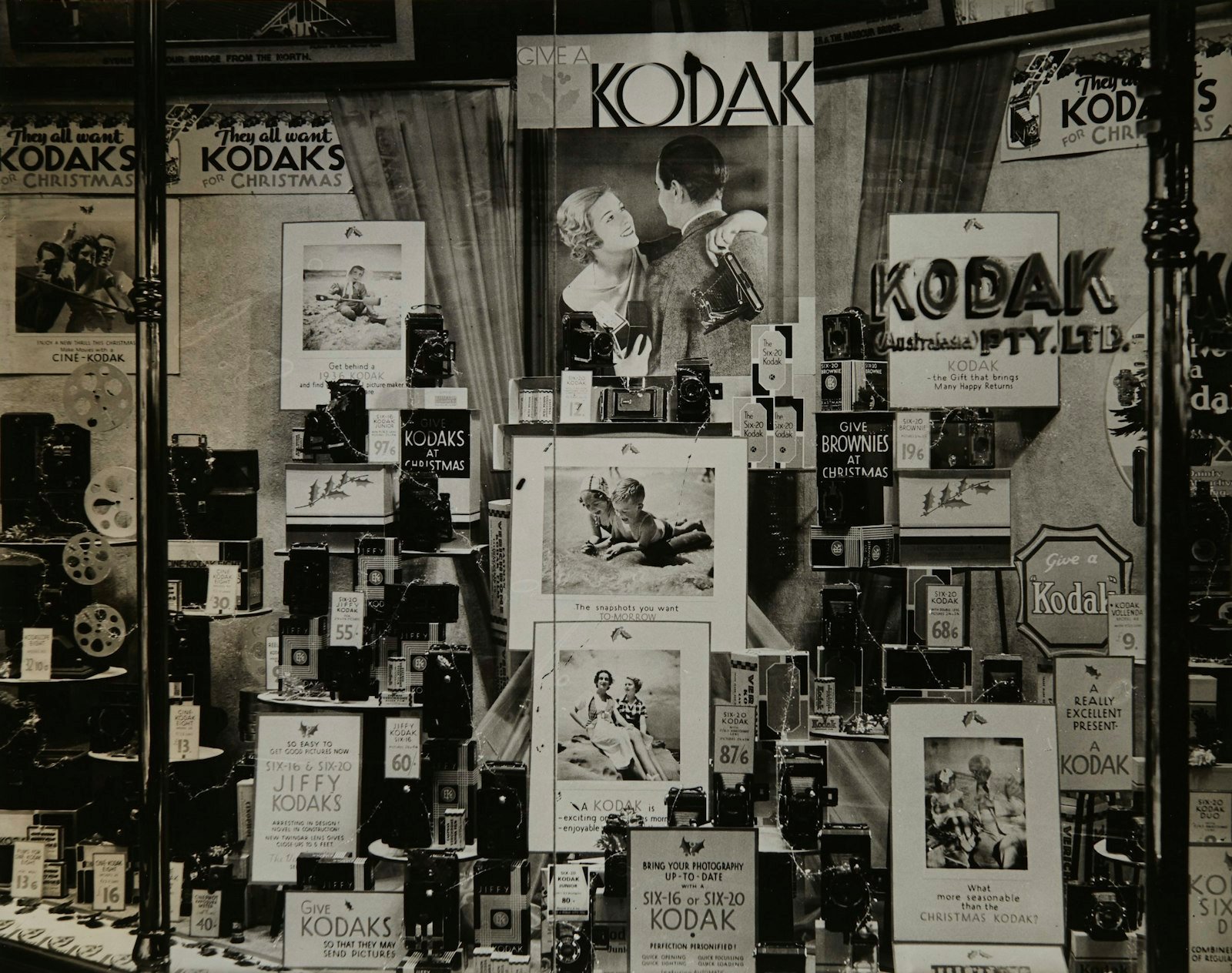
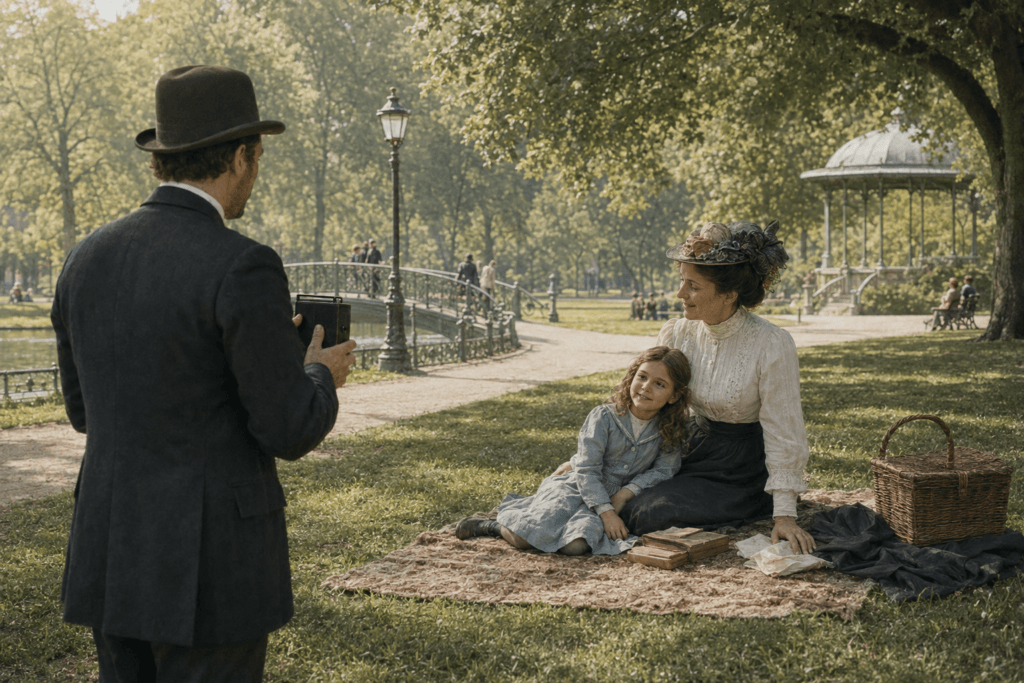
In 1888, his company launched the Kodak camera, sold pre-loaded with roll film. Once a customer used up every exposure, they mailed the whole camera back to the company. Kodak developed the film, made the prints, and returned the camera loaded with a fresh roll.
The photographer no longer needed to prepare plates or own a darkroom. Their main job was simply pointing the camera and pressing the button.
In 1889, the company released transparent roll film. Lighter than glass plates, the material also helped drive the development of cinema.
By 1900, the Brownie camera made photography even more accessible. Small, simple, and relatively cheap, it helped turn the camera into a household object.
Photography stopped being reserved for rulers, historic events, and formal portraits. It started preserving birthdays, trips, games, gatherings, and everyday scenes.
Snapshot photography emerged in the original sense of the word: a spontaneous record of a small moment in someone’s life.
Color Finally Arrived in Photography
For a long stretch of history, photographs came out in black and white. Some were hand-colored, but the result depended entirely on paint applied over the image afterward.
In 1861, an experiment by physicist James Clerk Maxwell showed that a color image could be built by combining exposures shot through red, green, and blue filters. The principle is essentially the same one used by today’s screens and digital sensors.
The process, though, still wasn’t practical for the public.
The real shift came in 1907, when brothers Auguste and Louis Lumière commercially launched the Autochrome. The images carried delicate colors and were viewed as illuminated transparencies.
In 1935, the launch of Kodachrome made color photography far more practical and helped spread it through magazines, advertising, travel, and family albums. Color negative film later made producing paper prints even easier.
The world had already been photographed in its shapes, light, and shadow. Now it could be preserved in color too.
The 35mm Format Freed the Photographer
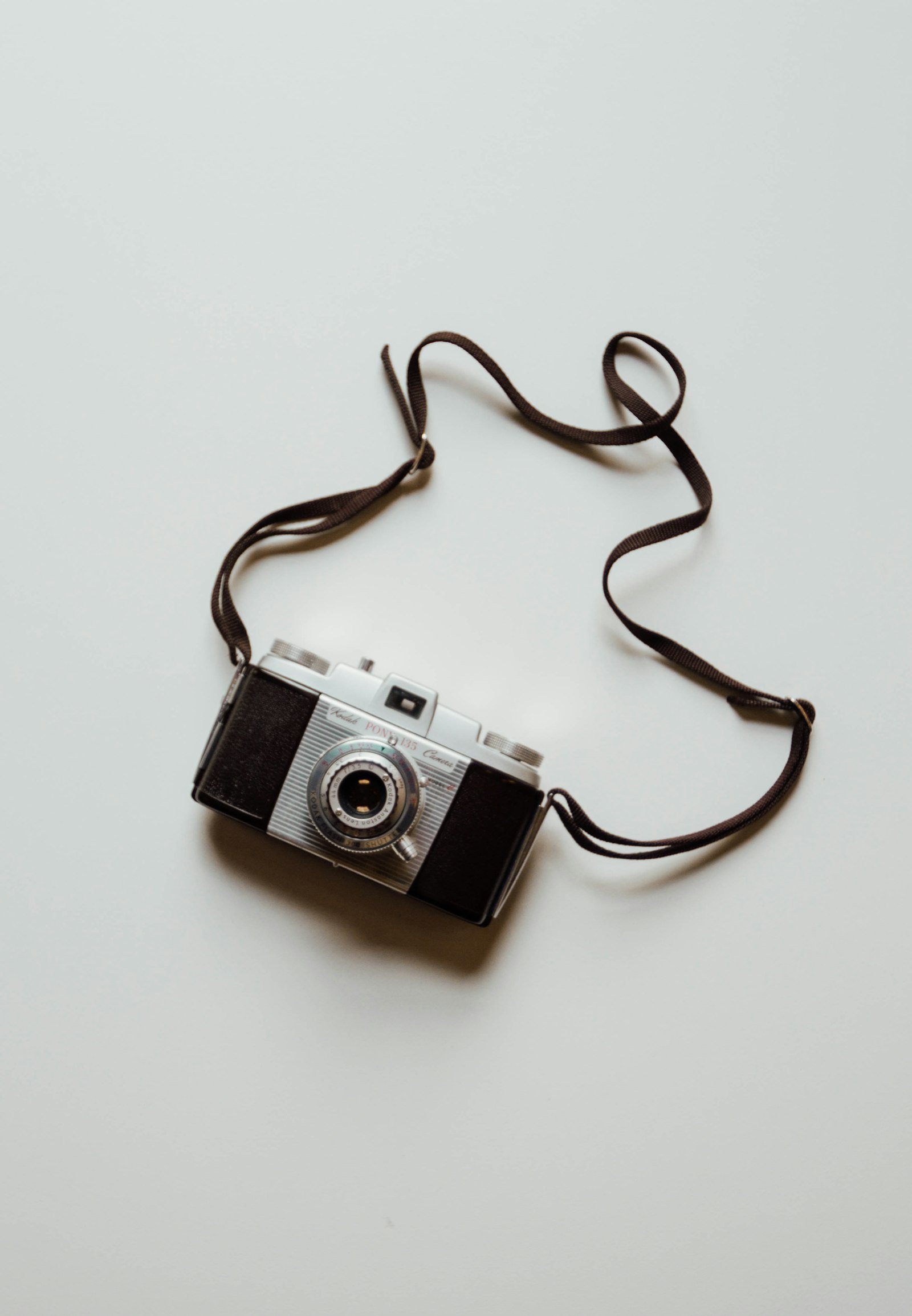
35mm film had originally been developed for cinema. During the early decades of the 20th century, it also found its way into smaller still cameras.
A major milestone was the 1925 commercial release of the Leica I. Compact and discreet, it let photographers carry the camera easily, shoot quickly, and capture multiple images without constantly reloading film.
That mobility reshaped photographic language. Instead of just arranging a scene, a photographer could now follow it as it unfolded.
That freedom mattered enormously for photojournalism, street photography, sports, and documenting everyday life. The camera became a witness to events as they happened.
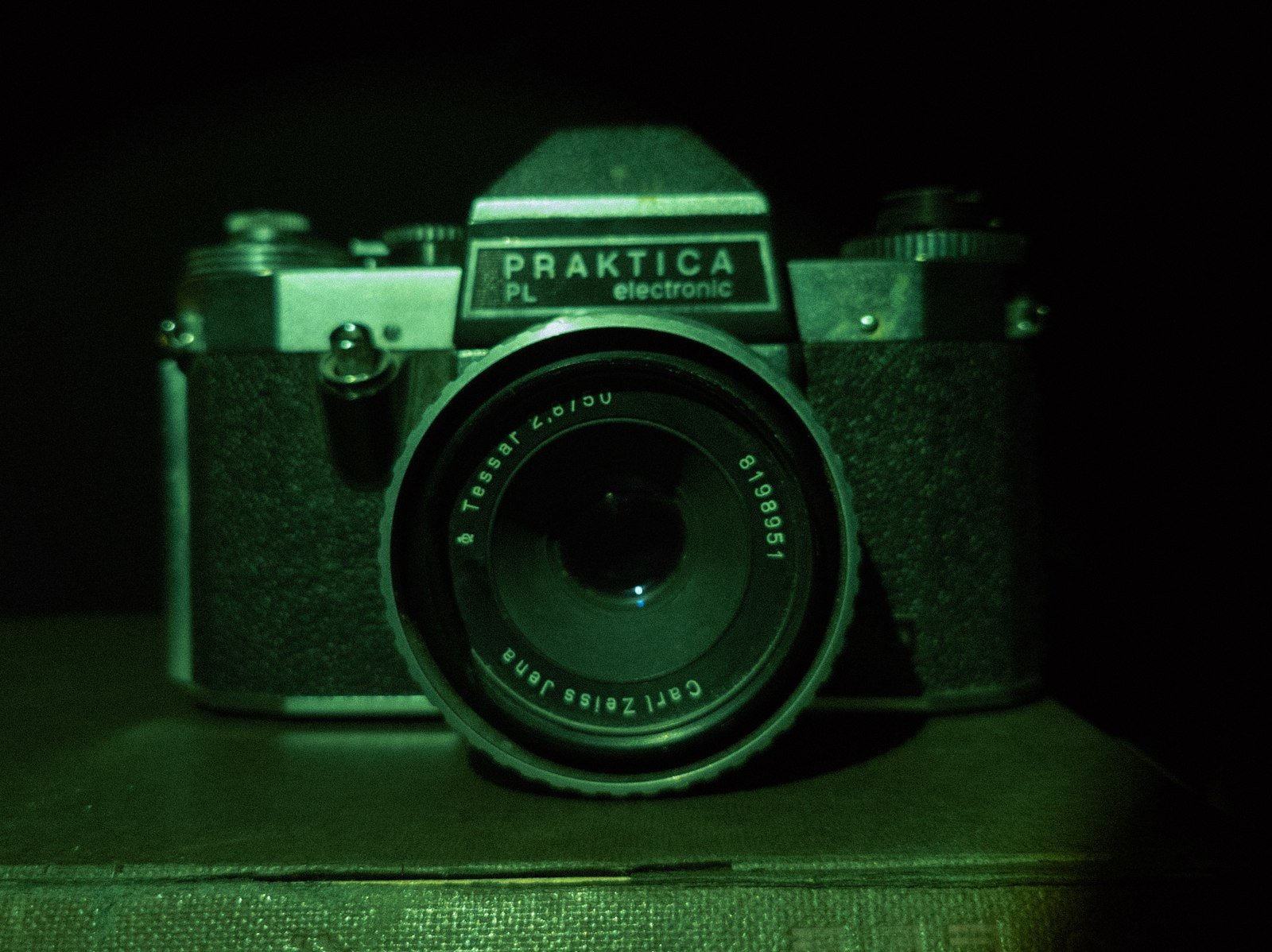
Later, single-lens reflex cameras, known as SLRs, let photographers view through the viewfinder almost exactly the same image that would pass through the lens and land on the film.
Interchangeable lenses expanded the possibilities further. Long lenses brought distant sports and animals closer; wide-angles captured entire environments; fast lenses made low-light photography possible.
The camera stopped being just a box that recorded an image. It became a system that adapted to each photographer’s eye and intent.
Instant Photography Got a Preview of the Digital World
In the late 1940s, Edwin Land introduced the Polaroid instant camera. After the shutter fired, the photographic material itself went through the process needed to form the image.
Within minutes, the photograph could be held in your hands.
The experience felt like magic because it skipped the wait for a lab entirely. For the first time, a photographer could produce and view the print almost immediately.
Decades before digital screens existed, Polaroid was already delivering a sensation we now take completely for granted: shoot, and see the result right away.
Photography Leaves Film Behind and Becomes Data
For most of the 20th century, taking a photograph meant exposing film to light, developing it chemically, and producing a print.
Digital photography changed that process completely.
Electronic sensors started converting light into signals that could be turned into digital information. Instead of chemically altering a piece of film, the camera began recording numbers describing the brightness and color of every part of an image.
In 1975, engineer Steven Sasson, working at Kodak, built the first standalone digital camera. The prototype was bulky, used a CCD sensor, produced black-and-white images, and stored the data on a cassette tape.
The image quality was extremely limited by today’s standards, and the device was never meant to hit store shelves right away. Its significance was proving that a photograph could be captured, stored, and viewed without film at all.
Over the following decades, sensors, processors, batteries, and storage systems kept improving. Digital cameras started reaching the public through the 1990s. By the 2000s, they’d become common.
Photography was no longer limited by how many exposures fit on a roll. Results could be checked on a screen, deleted, retaken, and transferred straight to a computer.
The cost of producing another image nearly disappeared. Photography shifted from an activity built around rationing exposures into a practice of abundance.
From DSLR to Mirrorless
DSLR cameras merged digital sensors with the structure of traditional reflex cameras, keeping the mirror system and optical viewfinder. For years, they dominated the professional market, and already offered fast autofocus and the ability to track subjects in motion, especially in models built for sports photography.
With the arrival of mirrorless cameras, the mirror disappeared entirely, and light started hitting the image sensor continuously. That shift expanded how much of the frame autofocus could actively cover, and made room for systems capable of recognizing and tracking eyes, faces, people, animals, and vehicles across most of the image.
On top of that, electronic viewfinders started showing a far more accurate preview of exposure, while advances in sensors and processors enabled much faster burst shooting. Some models can now capture frames from just before the shutter button is fully pressed, a feature known as pre-capture.
In sports and wildlife photography, these technologies raise the odds of catching the decisive moment. The camera can track an athlete’s eyes mid-motion, or a bird in flight, freeing the photographer to focus more on framing, light, and how the scene is unfolding. That’s the case with the Canon EOS R6 Mark II, the camera I currently use for sports work.
The gear has taken over a chunk of the technical work that used to demand more manual input. Even so, a camera has no idea why a given moment matters. Recognizing that instant, and turning it into a meaningful image, is still entirely on the photographer. If you’re curious what I actually carry day to day, take a look at My Gear.
The Smartphone Turned Photography Into Everyday Language
Once cameras got built into phones, photography reached a scale it had never seen before.
Most people started carrying a camera with them practically all day. Shooting, editing, and sharing stopped being a process split across several steps and started happening in a matter of seconds.
Smartphones also pushed computational photography forward. Instead of relying on a single exposure, a phone can now blend multiple images together to recover detail, balance bright and dark areas, cut noise, and boost sharpness.
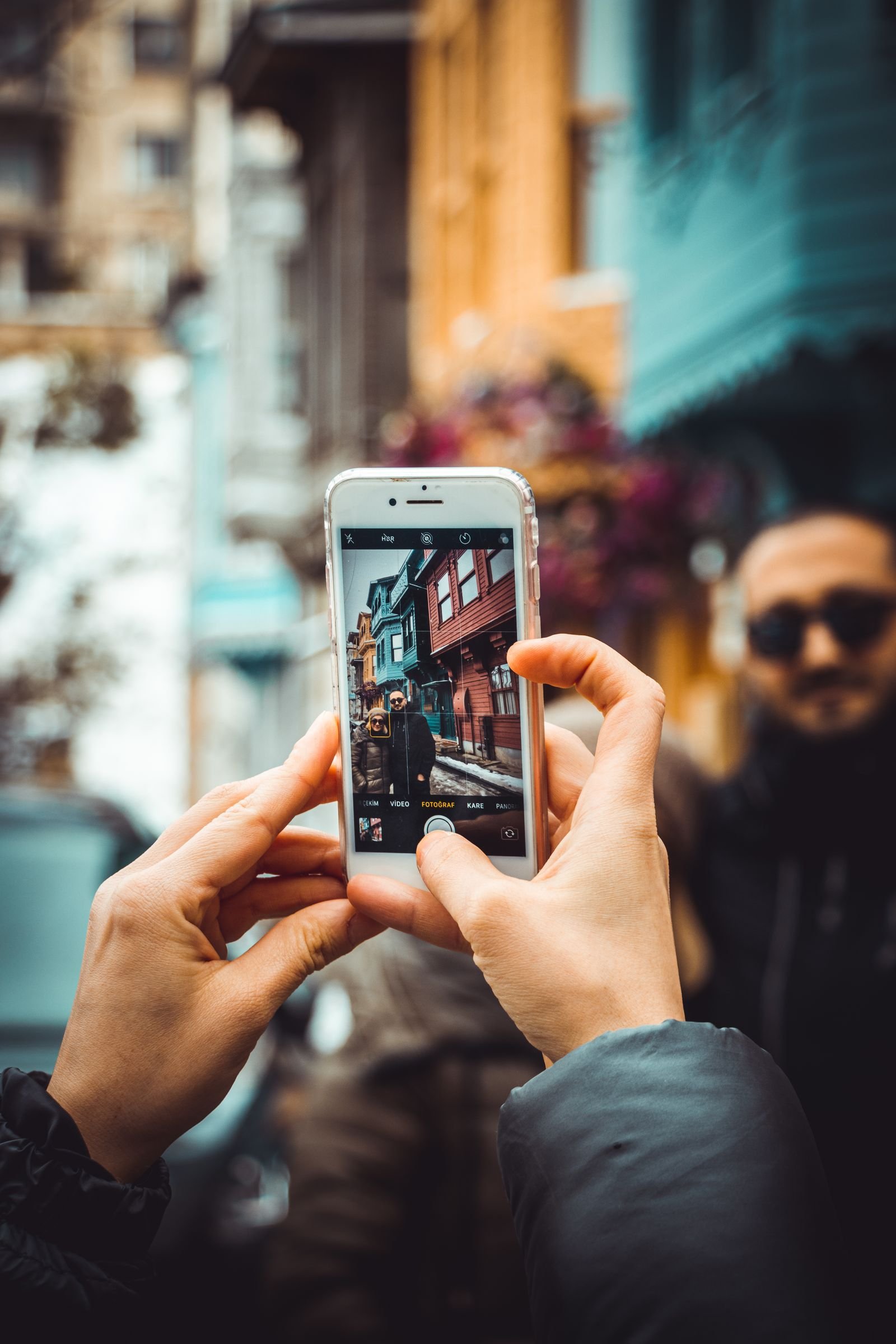
Photography stopped being just a memory tucked away in an album. It became an everyday form of communication, used in messages, news, social media, documents, advertising, and entertainment.
More images are being made than ever before. That abundance created a contradiction: taking a photo got easier, but making something that actually sticks in someone’s memory got harder.
What Has Stayed the Same
From cave walls to digital sensors, almost everything has changed: the materials, the speed, the way images get made and shared. What hasn’t changed is the desire to preserve moments and tell stories.
At its core, photography remains a form of art. The camera records light, but it’s the photographer who reads the scene and decides what to say with it, and a good part of that decision lives in the pillars of photographic composition: where to place each element, where to direct the eye, what to include, and what to leave out.
Every choice shapes what an image means. A lower angle can suggest grandeur; a higher one can suggest fragility. In editing, warm, vibrant colors can create a bright, energetic mood; cool, desaturated tones can bring out calm, or melancholy.
That’s why two people can photograph the exact same scene and walk away with completely different results. Every image carries a piece of its maker’s perspective, emotions, and passions.
Technology will keep evolving, but it won’t replace that vision. The camera produces the record. It’s the photographer who turns it into art.
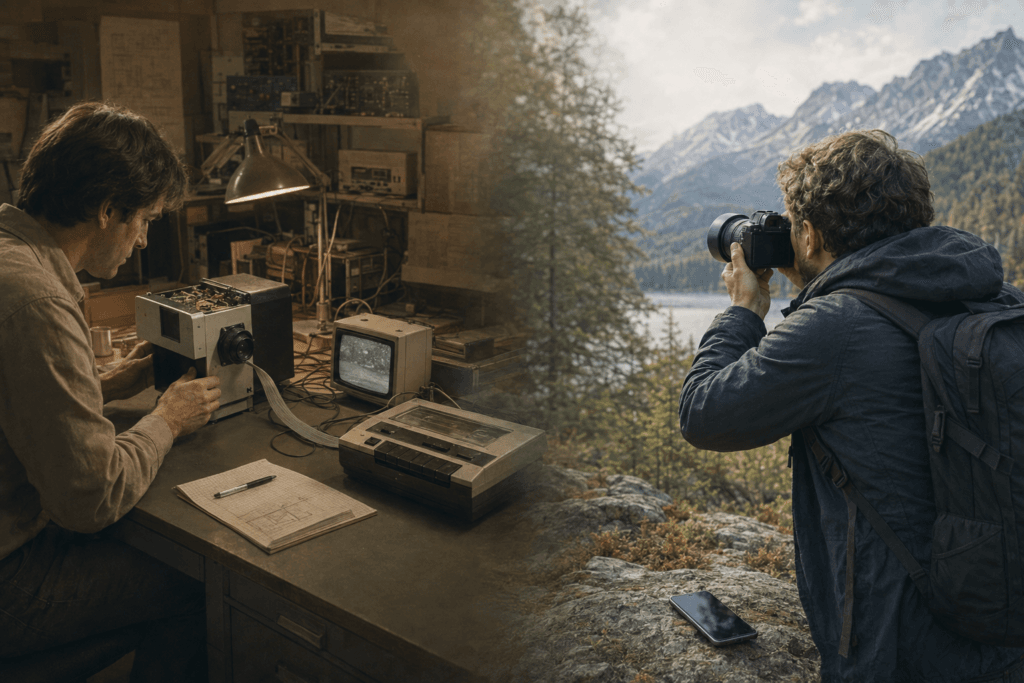
Diving into this whole history makes it a lot easier to see where what I do today actually comes from. When I’m following an athlete mid-motion, or a scene that lasts less than a second, I’m using technology that Niépce, Daguerre, or Muybridge could never have imagined: autofocus that recognizes and tracks someone’s gaze, sensors capturing dozens of frames a second, cameras that can grab the instant before the shutter’s even fully pressed. But the drive behind all of it is exactly the same one that pushed a Frenchman to point a camera obscura at his own window: the need to hold onto a moment that, without photography, would be gone for good. Every image I make today carries, whether I notice it or not, almost two centuries of people working on the same problem.
Keep Exploring
Want to see how all this history translates into real gear, and how it plays out in my own work today? Check out:
- DSLR vs Mirrorless — the differences, the trade-offs, and where photography is headed
- The Pillars of Photographic Composition — rule of thirds, golden ratio, and more, with visual examples
- Camera and Lens Reviews — my hands-on take on every piece of gear I’ve shot with
- My Gear — what I actually carry on sports photography jobs
Sources
- UNESCO — Altamira Cave and Paleolithic Cave Art of Northern Spain
- The Metropolitan Museum of Art — Heilbrunn Timeline of Art History
- National Gallery — Perspective and Renaissance Art
- National Science and Media Museum — An Introduction to the Camera Obscura
- National Science and Media Museum — Niépce and the First Photograph
- Harvard University — Harvard’s History of Photography Timeline
- The Metropolitan Museum of Art — The Daguerreian Era and Early American Photography on Paper, 1839–1860
- The Metropolitan Museum of Art — William Henry Fox Talbot (1800–1877) and the Invention of Photography
- Library of Congress — Eadweard Muybridge and the Birth of a Photographic Pioneer
- Kodak — Company History and Key Milestones in Film Photography
- National Inventors Hall of Fame — Steven Sasson and the First Digital Camera