
The Dilemma Behind Every First Camera (and Every Upgrade)
If you came here from the history of photography, you’ll remember the shift from DSLR to mirrorless cameras as one of the last big turning points in that story. I touched on autofocus learning to recognize eyes and faces, on electronic viewfinders, on pre-capture. What I didn’t get into is what that shift actually means in practice, and that’s exactly the question almost everyone runs into the moment they’re buying their first camera or thinking about an upgrade.
DSLR or mirrorless? It’s a question nearly every photographer wrestles with at some point, whether it’s their first purchase or a gear upgrade years in. I wrestled with it too. I started out shooting a DSLR, switched to mirrorless a few years later, and wouldn’t go back if you paid me. I got there by testing, messing up, and actually working with both systems day to day, not because one is “better” on paper.
In this article, I’ll walk through how each system works, which differences actually matter once you’re out shooting, who each one makes sense for today, and where the industry is headed. At the end, I’ll get into my own gear journey.
One thing worth saying upfront, before we get into the technical weeds: DSLR technology is, at this point, basically extinct. Manufacturers have already stopped developing new bodies and lenses for the system and poured all their R&D into mirrorless instead. That doesn’t mean a DSLR suddenly stopped taking good photos, but it’s the context that explains why the future of photography increasingly points in just one direction.
Table of Contents
- What Is a DSLR
- What Is a Mirrorless Camera
- The Differences That Actually Matter
- Which One Should You Buy Today
- Where the Industry Is Headed
What Is a DSLR
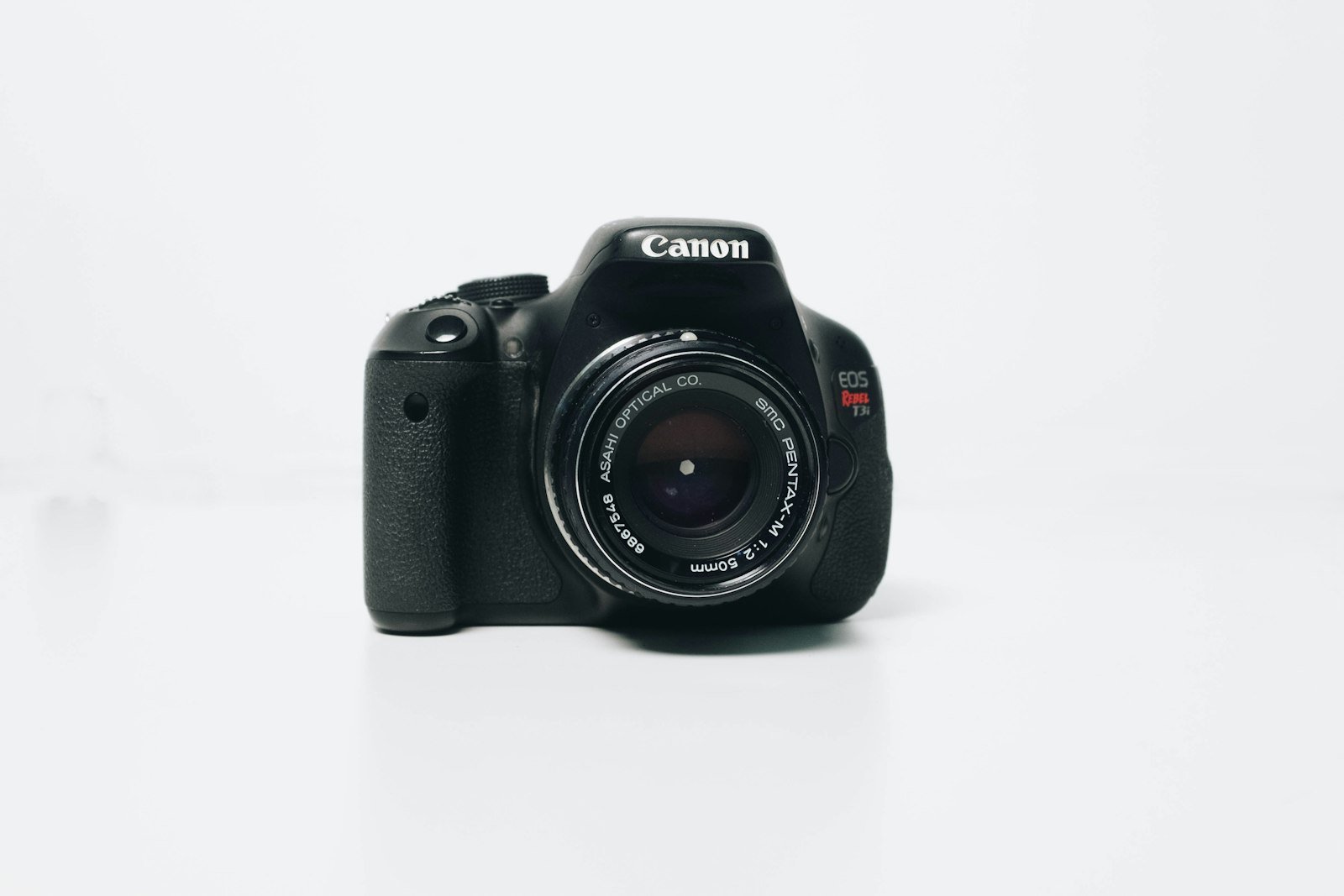
DSLR stands for Digital Single-Lens Reflex, and the name describes exactly how the thing works. Inside the body sits a mirror, angled just behind the lens. That mirror bounces incoming light upward into a prism and out through the optical viewfinder, which is why looking through a DSLR’s viewfinder means you’re seeing the scene directly through the lens, in real time, no screen in between.
That same mirror also sends part of the light down to a dedicated autofocus sensor at the bottom of the camera body. That sensor uses phase-detection autofocus to nail focus fast and accurately, mature tech, tested over decades of professional use, especially in good light.
The instant you press the shutter, the mirror flips up out of the way for a split second so light can hit the image sensor and the frame actually gets recorded. That mechanical flip, up and down, shot after shot, is what produces the classic DSLR “click” and the brief blackout you see in the viewfinder during the capture.
What Is a Mirrorless Camera
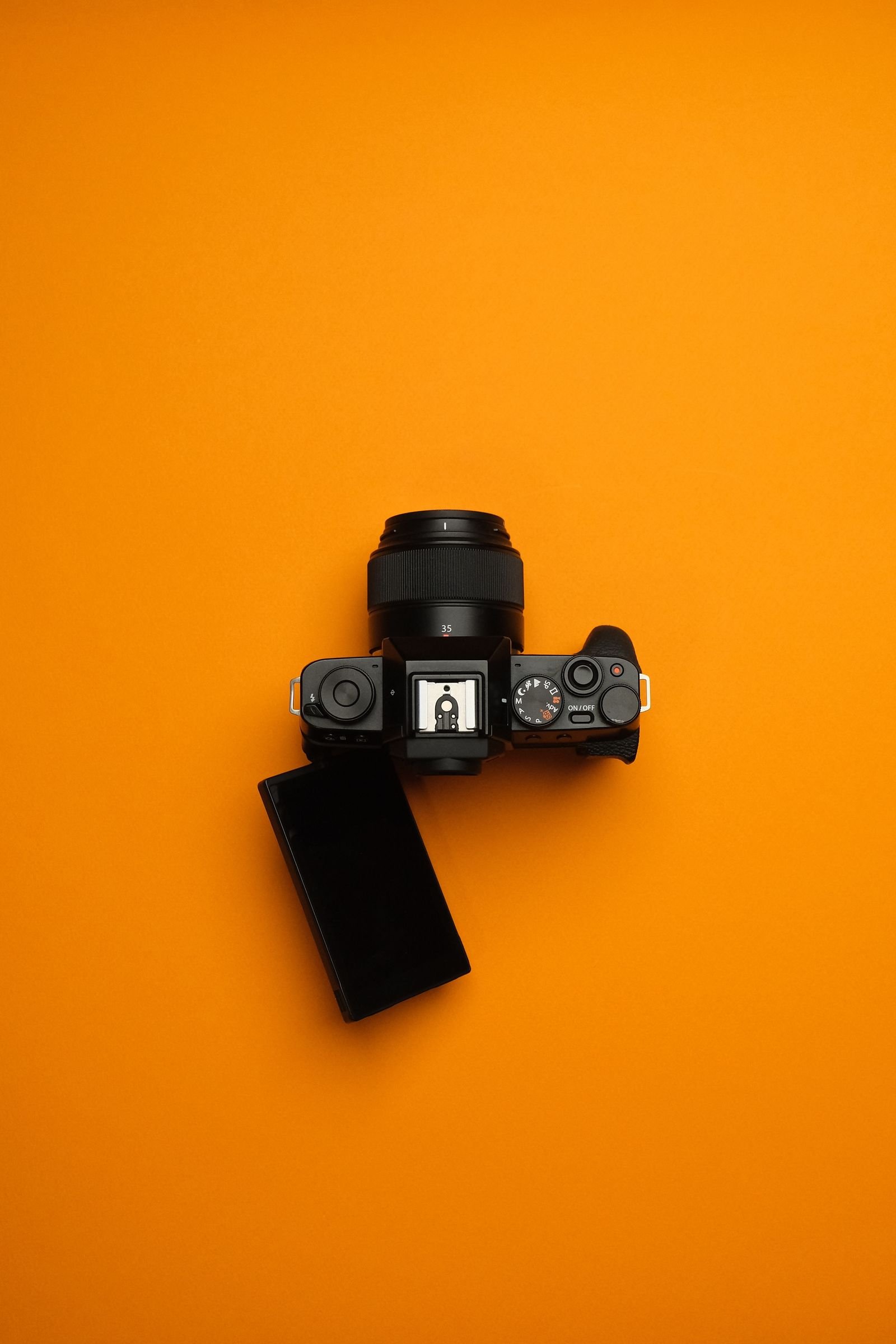
Mirrorless means exactly what it sounds like: no mirror. Ditch that mirror-and-prism setup entirely, and light passes straight through the lens to the image sensor, which stays continuously exposed the whole time the camera is on. That constant stream of data is what feeds the rear screen and the electronic viewfinder, giving you a live digital preview of the scene, already showing exposure, color, and depth of field the way the final shot will actually look.
Without a mirror or prism, there’s no need for a separate autofocus sensor either. The image sensor itself takes over that job, combining phase-detection points spread across most of the frame with contrast detection. In practice, that means focus can be calculated across a much bigger chunk of the scene, not just one central zone like on most DSLRs.
That same setup is what opened the door to the subject-recognition tech we’ve seen explode over the last few years: eye detection, face detection, full-body tracking, even animals and vehicles. Since the sensor is “watching” the whole time, the camera’s processor can constantly read what’s in front of the lens and adjust focus based on what it recognizes, something the mirror-and-prism setup on a DSLR was never built to do.
The Differences That Actually Matter
Now that you know how each system works, here’s what these differences actually change once you’re out shooting.
Size and weight. Without the mirror box and prism taking up space, a mirrorless body can run significantly smaller and lighter than a comparable DSLR. You feel it most on long trips or workdays that mean carrying gear for hours straight, which is standard practice in event and sports photography.
Autofocus. This is probably the difference you’ll notice most. Modern mirrorless cameras track eyes, faces, and full bodies with a level of accuracy that simply didn’t exist on DSLRs, even the most advanced pro bodies. That holds for portraits and for fast action alike, an athlete sprinting, a bird mid-flight, doesn’t matter.
Battery life. DSLR wins this one outright. An optical viewfinder draws essentially no power, it works by reflecting light, not by running a screen, so a DSLR can shoot hundreds of extra frames on a single charge. Mirrorless cameras keep the screen and EVF running constantly, which drains the battery a lot faster, though newer batteries have closed that gap quite a bit.
Viewfinder type. A DSLR’s optical viewfinder shows you the real scene with zero lag or processing, it’s literally light hitting your eye. A mirrorless EVF shows a digital feed instead, which comes with real perks: you see your exposure before you shoot, you can zoom in to nail focus, and you can shoot comfortably in the dark since the screen brightens things up for you.
Lens selection. DSLRs have decades on mirrorless here. Systems like Canon EF and Nikon F built up massive lens catalogs over 30-plus years, backed by a huge, well-established used market. Mirrorless mounts like Canon RF, Nikon Z, and Sony E are newer, but they’ve grown fast and now come with adapters that let you run older DSLR glass without any real performance hit.
Video capability. Mirrorless wins this one clean. Since the sensor is already exposed continuously, shooting video is a natural extension of how the camera works, with smooth, reliable continuous autofocus the whole time you’re rolling. On a DSLR, filming means switching to Live View, which locks the mirror up and usually leaves autofocus slower and less dependable.
Which One Should You Buy Today
There’s no single right answer here, it depends on who’s shooting, what the budget looks like, and what kind of work you’re actually doing. A few scenarios help make the call easier.
If you’re just starting out on a tight budget, a used DSLR is still a genuinely solid way in. Prices have dropped a lot over the last few years as the market shifted toward mirrorless, and there’s a massive catalog of affordable glass still out there for these systems. That’s exactly the path I took: I started with a Canon T7i, an entry-level DSLR, and it did its job well while I was learning the fundamentals.
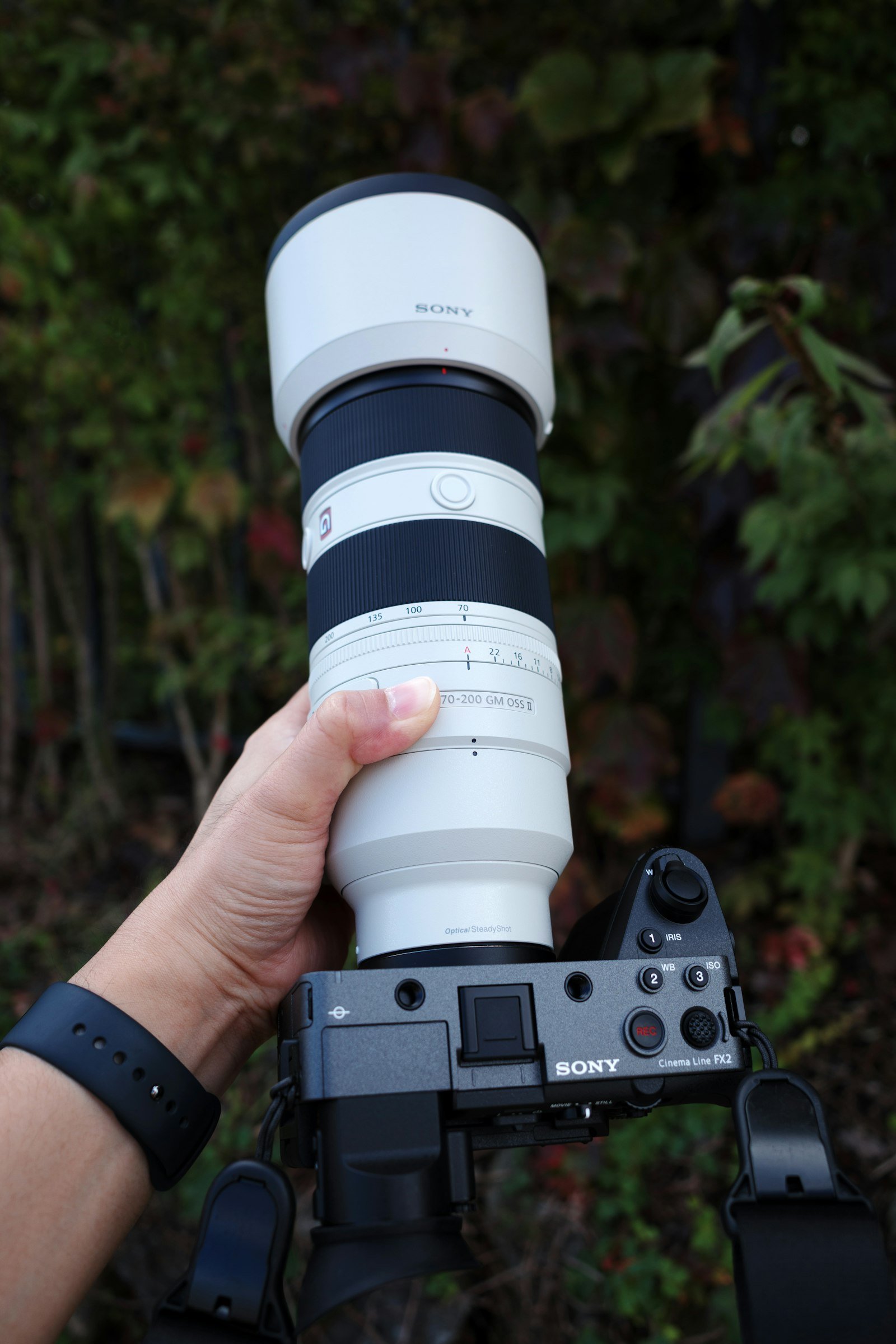
If you shoot sports, wildlife, or anything that lives or dies on fast, accurate focus on moving subjects, mirrorless is the smarter call today, hands down. Eye and body tracking, paired with faster burst speeds, seriously boosts your odds of nailing the decisive moment, something I get into in more depth over in the sports photography I shoot now.
If you’ve already got real money sunk into DSLR glass, it’s worth looking into a mount adapter before jumping ship on the whole system. Most manufacturers make official adapters that hold onto most of the autofocus performance, letting you move the camera body over to mirrorless without dumping your entire lens kit in one go.
Where the Industry Is Headed
The direction here is pretty clear at this point. Canon has confirmed the EOS-1D X Mark III, released in 2020, will be its last professional flagship DSLR, and shifted all new lens development over to the mirrorless RF mount. Trade outlets like DPReview have reported that Nikon has also wound down development of new SLR bodies to focus entirely on the Z mount, though Nikon itself has stopped short of confirming the line is officially dead, calling it press speculation.
In practical terms, that means nearly all the R&D dollars, sensor development, and new lens releases are flowing into mirrorless systems. DSLRs will keep getting made, sold, and serviced for a few more years, but don’t expect to see any genuinely new DSLR releases going forward.
Two trends stand out as reshaping the market right now. The first is AI creeping deeper into autofocus: today’s algorithms don’t just find a face or an eye anymore, they’re learning to recognize animal species, specific sports, even anticipate where a subject is about to move to lock focus with more confidence. The second is the leap forward in full-frame sensors and computational photography, stacking multiple exposures to pull better dynamic range, less noise, and sharper detail out of a shot. These are tricks that lived exclusively in smartphones a few years back and are showing up in professional cameras now too.
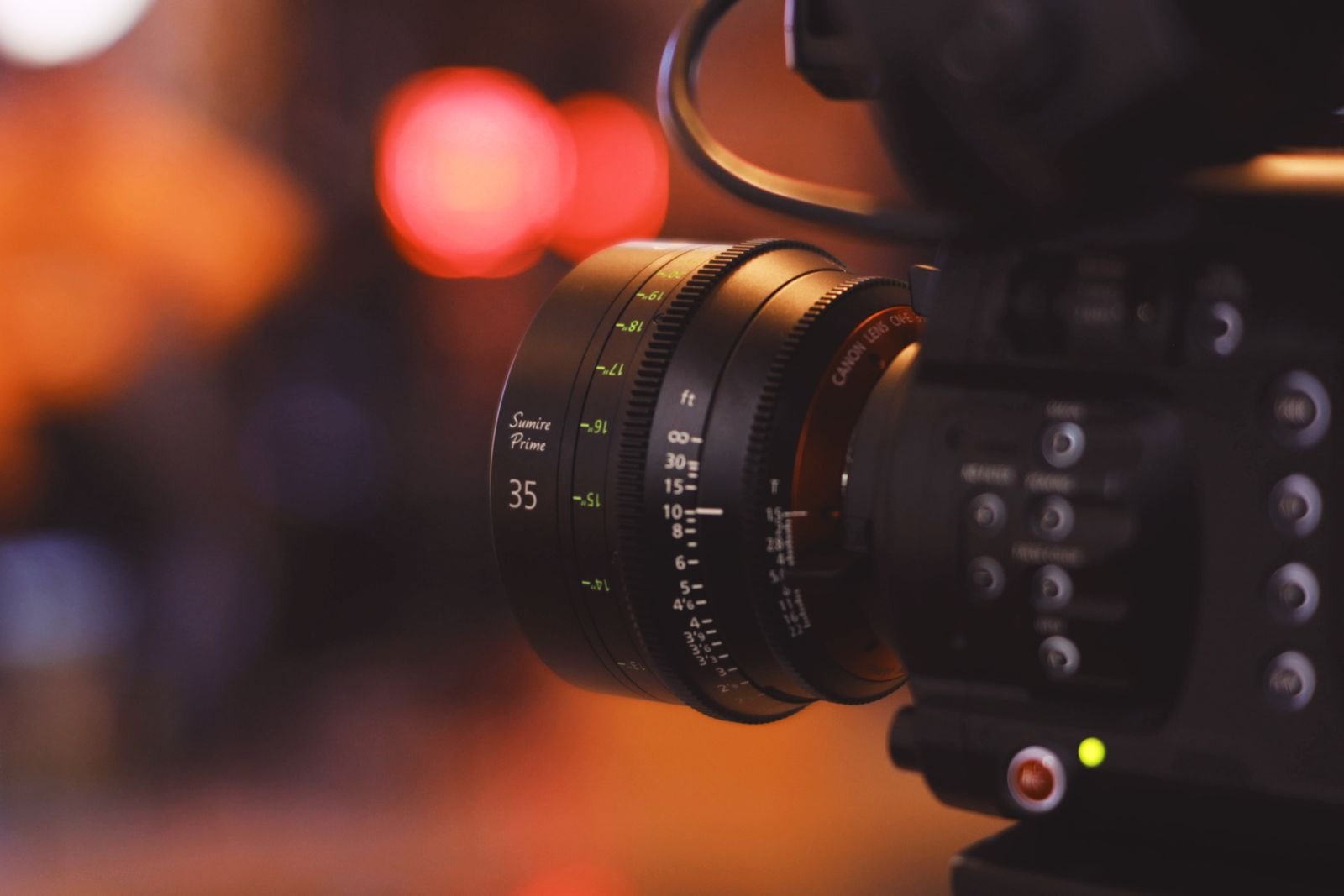
My own gear history sums up this shift pretty well. I started in 2018 with a Canon T7i, an entry-level DSLR that taught me the fundamentals, exposure, composition, manual focus. In early 2022, I moved to the Canon RP, my first mirrorless camera and my first time shooting full frame, a change I felt immediately in image quality and in how autofocus locked onto and stayed with the subject. In November 2024, I took another step up with the Canon R6 Mark II, because the RP’s speed had started holding back my work covering races and sporting events.
Every one of those upgrades happened for a practical reason, not because something newer showed up. And that’s really the only thing that matters in the end: pick the gear that solves the problem you actually have right now, not whatever’s newest or getting the most hype. DSLR or mirrorless, what makes an image work is still whoever’s standing behind the camera.
Keep Exploring
If you’ve already made up your mind and want to see specific gear, or you’d rather go back to the full story of photography, check out:
- Camera and Lens Reviews — my hands-on take on every piece of gear I’ve shot with
- The History of Photography — the full story, from cave paintings to digital sensors
- My Gear — what I actually carry on sports photography jobs
Sources
- Canon Europe — DSLR vs Mirrorless Cameras: Which Is Better?
- Nikon USA — Mirrorless vs DSLR Cameras: Exploring the Key Differences
- Sony Alpha Universe — Discover the Power of Eye AF
- B&H Explora — DSLR vs. Mirrorless: Which Is Best for You?
- DPReview — Nikkei Says Nikon to Stop Making DSLRs; Nikon Calls It Speculation